
Perfumer’s alcohol vs ethanol: what’s the difference?
Perfumer’s alcohol, ethanol or DPG? What each one does in a perfume, which to use for spray versus oil based perfumes, and how longevity really works.
In this guide
- Why does perfume need alcohol at all?
- What is perfumer’s alcohol?
- What is ethanol?
- So which one is better?
- Where DPG fits
- Common mistakes beginners make
- How much fixative do you actually need?
- Beyond the base: what else you need
- Why ingredient quality matters
- Where to buy both in Nigeria
- Frequently asked questions
- Final thoughts
“Should I use perfumer’s alcohol or ethanol?” is the question we get more than any other, and it deserves a straight answer rather than a sales pitch.
Both are clear liquids used in perfume making, so people assume they are interchangeable. They overlap, but they do not do the same job, and picking the wrong one costs you either money or quality.
Here is what each one is, where DPG fits alongside them, and how to choose.
Why does perfume need alcohol at all?
Imagine trying to spray cooking oil out of a perfume bottle. It would not work.
Perfume oils are highly concentrated. They need a carrier that spreads them evenly across skin and clothing instead of leaving a greasy patch in one spot. That is what alcohol does:
- It dissolves the perfume oil into a workable solution.
- It distributes the fragrance evenly when you spray.
- It evaporates quickly, leaving the scent rather than the liquid.
- It lets the fragrance open and develop the way it was built to.
Without the right carrier, even the best perfume oil will not perform.
What is perfumer’s alcohol?
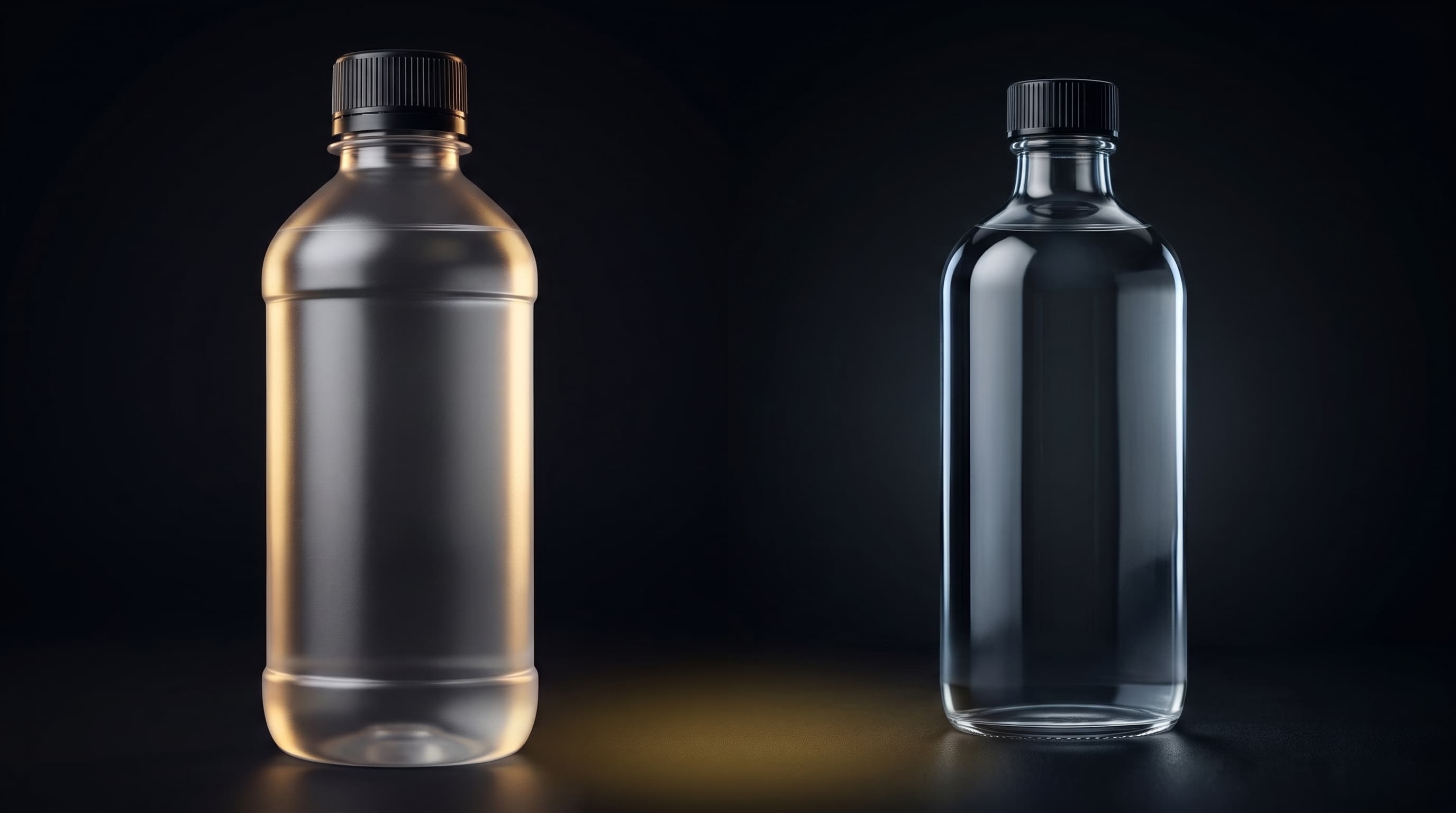
Perfumer’s alcohol is alcohol prepared specifically for fragrance work. It is blended and ready to use straight from the bottle.
Its whole purpose is to be a clean foundation: it carries the scent without contributing a smell of its own and without knocking the fragrance profile off balance. That is why it gives you the polished spray people associate with a finished, professional perfume.
If you are new, this is the easiest place to start, because there is nothing to prepare and nothing to get wrong. Shop perfumer’s alcohol.
What is ethanol?
Ethanol is the primary alcohol used in perfume making. It is the raw solvent: it dissolves the perfume oil and lets the blend atomise properly.
High-strength ethanol is what sits behind most commercial fragrance formulations. Because it is priced by volume, it becomes the sensible route once you are mixing regularly rather than occasionally. Shop ethanol.
So which one is better?
Neither. That is the honest answer, and anyone who tells you otherwise is selling one of them.
The right choice depends on:
- Your formula. Some blends are built around one, some around the other.
- The style of perfume. A crisp fresh spray and a heavy oriental do not want identical handling.
- Your experience. Perfumer’s alcohol removes variables; ethanol gives you more control and more ways to get it wrong.
- Your volume. Occasional mixing favours convenience. Regular production favours cost per litre.
Plenty of makers work only with perfumer’s alcohol. Plenty work only with ethanol. Some formulations use both. The useful question is not which one wins, it is what role each is playing in the bottle you are building.
Where DPG fits
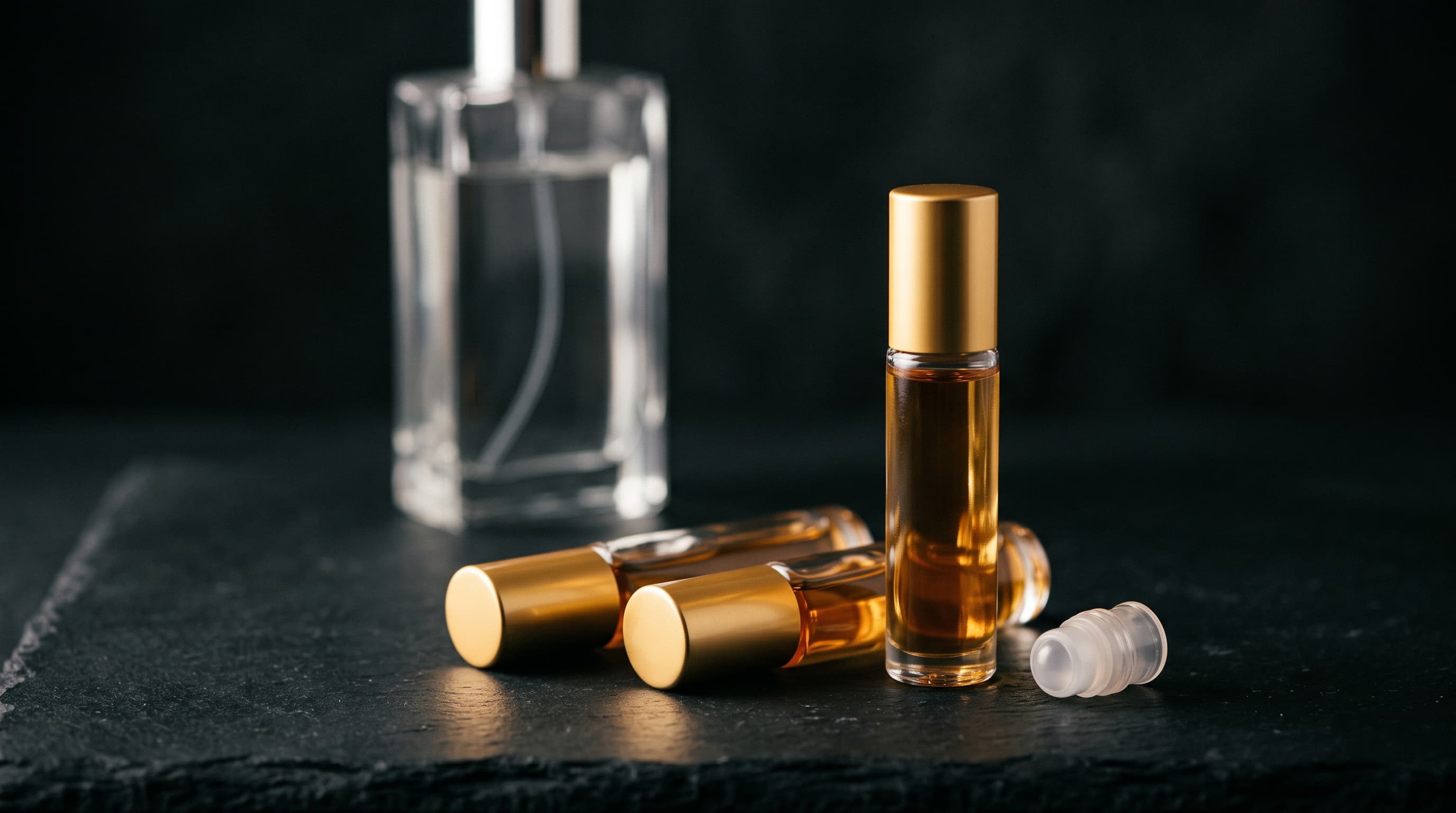
DPG, or dipropylene glycol, is the third option people forget, and it is not an alcohol at all.
It is an alcohol-free dilutant. It helps ingredients blend, softens harsh notes and improves how stable the fragrance stays in the bottle. Crucially, it is what you use when there is no alcohol in the product at all: oil based perfumes, roll-ons, perfume body oil and alcohol-free blends for sensitive skin.
So the real decision is a three-way one. Perfumer’s alcohol for a straightforward spray. Ethanol for volume and control. DPG for oil based perfumes and for taking the edge off a blend that is too sharp. Shop DPG.
Common mistakes beginners make
Buying the cheapest alcohol available
People spend almost their whole budget on perfume oil and then buy the cheapest base they can find. The base is most of what is in the bottle. A poor one drags down an oil you paid properly for.
Assuming alcohol creates longevity
This is the big one. Alcohol is a carrier, not a preservative of scent. Longevity comes from:
- The grade and quality of the perfume oil you started with.
- How concentrated the oil is in the finished blend.
- Supporting ingredients, particularly fixatives.
- Your own skin chemistry.
- Whether the perfume was allowed to mature.
If you want perfume oils that last long, that decision is made when you choose the grade, not when you choose the base. Compare the five grades.
Ignoring maturation
Freshly mixed perfume smells noticeably different from matured perfume. Give it a few weeks somewhere cool and dark and the harshness settles into something smoother and rounder.
How much fixative do you actually need?
The other half of this question is always fixative, so let us deal with it plainly.
A fixative slows evaporation so the scent holds. Used well it adds real hours. Used heavily it flattens the top notes, makes the perfume feel syrupy and can dull the exact character you were trying to capture. More is not better, and it will not rescue a weak oil.
The numbers are in the next guide. How much fixative and DPG do you actually need gives you the starting percentages for a 100ml batch. Shop fixatives once you know what you need.
Beyond the base: what else you need
Beginners fixate on the alcohol question and forget it is one line in a longer list. A complete perfume also needs:
- High quality perfume oils, graded so you know how long they hold.
- DPG for blending and for alcohol-free work.
- Fixatives to stretch the wear time.
- Measuring tools, so the blend you liked can be made twice.
- Perfume bottles, nozzles and funnels.
The full checklist is here: everything you need to make perfume at home.
Why ingredient quality matters
Think of it like cooking. The recipe can be perfect and the result still disappointing if the ingredients were not.
Perfume is the same. Quality oil, a clean base and the right supporting ingredients work together. Weakness anywhere in that chain shows up in the bottle, usually as a scent that smells right for twenty minutes and then is not there.
Where to buy both in Nigeria
Beyond The Bottle stocks perfumer’s alcohol, ethanol and DPG alongside over 500 perfume oils, fixatives, bottles and packaging, from 50ml up to 10 litres. One supplier, one delivery, nationwide.
Buying at volume? Send a bulk enquiry and we price it directly.
Frequently asked questions
Can beginners use perfumer's alcohol?
Yes, and most should. It is ready to use straight from the bottle, which removes a whole category of beginner mistakes while you are still learning how your oils behave.
Is ethanol safe for perfume making?
Ethanol intended for fragrance use is standard in perfume making and is what most commercial perfumes are built on. Handle it as you would any flammable liquid: keep it away from heat and naked flame, work in a ventilated space, and store it sealed and out of sunlight.
Do I need both perfumer's alcohol and ethanol?
No. Most makers pick one and stay with it. Some formulations use both. Start with perfumer's alcohol for convenience and move to ethanol when volume makes the cost per litre worth it.
Which one makes perfume last longer?
Neither, on its own. Longevity comes from the grade and concentration of the perfume oil, the fixative, and proper maturation. The base carries the scent; it does not hold it in place.
Can I make perfume without alcohol?
Yes. Use DPG instead. That gives you an oil based perfume, a roll-on or a perfume body oil, which sits closer to the skin, projects less and often lasts longer than a spray made from the same oil.
How much perfume oil goes into a bottle?
It depends on the concentration you want and how strong the oil is. A soft oil needs more of itself in the blend than a loud one. The tested proportions for each style are in the Complete Perfume Mastery Blueprint.
Final thoughts
Understanding what perfumer’s alcohol, ethanol and DPG each do is one of the first real steps from mixing to making.
There is no magic ingredient. There is a complete formulation built from quality materials, and the patience to let it settle. Get that right and the base question mostly answers itself.